Our Services
This is What We Do
With decades of combined expertise, at Dental Aesthetics Center we are ready to curate your perfect smile with various cosmetic procedures and treatments.
General Dentistry
Diagnoses, treatment, and prevention of common dental conditions, Toothache, Gum Disease (Bleeding Gums), Halitosis(Bad Breath) ensuring you maintain the health of your teeth, gums, and overall oral hygiene.
Book Appointment Now
What is a toothache?
Toothache is pain felt in or around a tooth. It can range from mild discomfort to severe, excruciating pain and is often a sign of an underlying oral health issue. The pain may worsen when eating, particularly with hot or cold foods, and in some cases, may be accompanied by symptoms like swelling around the tooth, fever and a headache.
Causes of toothache
There are several reasons why you may have a toothache, each indicating a specific dental problem:
● Tooth decay or cavities
● Gum disease
● Abscess
● Tooth fracture
● Recent dental work, such as an extraction or crown
Treating toothache
The best course of treatment for a toothache is dependent on the cause.
● Tooth decay: For cavities, we remove the decayed tissue from the tooth and seal it with a filling.
● Gum disease: Treatment may involve deep cleaning (scaling and root planing), medication, or, in severe cases, gum surgery.
● Tooth abscess: We may drain the abscess to eliminate the infection and perform a root canal treatment or tooth extraction if necessary.
● Tooth fracture: Depending on the severity of the fracture, we perform dental resin bonding, apply a crown, do root canal therapy, or remove the tooth altogether.
Managing a toothache
While waiting for professional dental care, over-the-counter pain medication and topical numbing gels can provide temporary relief. A cold compress applied to the affected side of the face may also help.
If you have trapped food particles, you can rinse your mouth with warm salt water to help dislodge this. However, these measures only help to alleviate the pain and do not address the underlying cause.
It's always important to seek professional medical assistance when it comes to prolonged pain and discomfort.
The importance of regular scaling and polishing
Scaling and polishing is an in-depth cleaning procedure that goes beyond the reach of everyday brushing and flossing — it primarily focuses on removing plaque and tartar on the surfaces of the teeth and beneath the gum line.
Plaque is a sticky film of bacteria that constantly forms on your teeth. When it hardens, it turns into tartar (or calculus), which cannot be removed by regular brushing or flossing. This can contribute to gum disease, tooth decay, and more severe dental conditions.
The scale and polish procedure
Scaling and polishing is a two-step process that is typically painless, although some may experience slight discomfort or sensitivity.
Scaling is the first step of the procedure, whereby we use a special dental tool called a scaler or an ultrasonic device to remove plaque and tartar deposits from the tooth surfaces beneath the gum line. This process can vary in length, depending on the amount of tartar present.
After the teeth have been thoroughly scaled, we polish the teeth, effectively removing surface stains and making it more difficult for plaque to accumulate on the teeth in the future.
Finally, we finish off with a fluoride varnish left on the teeth for up to a minute. This is a highly concentrated version of the fluoride mineral, which helps to protect the tooth enamel and reduce sensitivity.
Caring for your teeth after scaling and polishing
Regular scaling and polishing sessions are recommended to maintain optimal oral health. The frequency of these sessions will depend on your oral hygiene practices, diet, and genetics.
However, it's important to remember that a professional dental cleaning is supplementary to your daily oral hygiene routine. Regular brushing and flossing, coupled with a balanced diet, are vital in maintaining healthy teeth and gums.
Uses of fillings
The primary reason why you might receive a filling is to treat tooth decay. This begins when harmful bacteria in the mouth produce acid, slowly eroding the tooth's protective outer layer, known as enamel.
Over time, this process can create a hole in the tooth — the cavity. Left untreated, the decay can progressively worsen, causing significant damage to the tooth and leading to toothache, infection, and potential tooth loss.
Procedure for fillings
Getting a filling is relatively straightforward and can be completed in one visit to our practice. We start by numbing the tooth with a local anaesthetic to ensure a comfortable, pain-free experience. Once the area is numb, we use specialised dental tools to gently remove the decayed tissue from the tooth.
Next, we thoroughly clean the tooth to remove all traces of bacteria before preparing it for the filling. We place the tooth-coloured material, known as composite resin, into the cavity and structure it to replicate your tooth's natural shape.
The final stage is hardening the material and polishing it to give it a natural look and feel. We will also assess your bite to ensure comfort and proper alignment.
Caring for fillings
With proper care, dental fillings can last for many years. Therefore, it's essential to maintain good oral hygiene and schedule regular dental visits. This way, you continue to protect your teeth, and we can routinely assess the filling.
In dentistry, we aim to apply prevention tactics whenever possible, but when this is not the case, we can strategically remove the tooth and provide missing teeth treatment options to restore your smile.
When extraction is necessary
While we aim to preserve your natural teeth as much as possible, extraction can be necessary in specific cases, including:
● Severe tooth damage or decay
● A crowded mouth
● An impacted tooth
● High risk of infection
Procedure for extraction
The tooth extraction process may seem daunting, but modern medicine allows for a relatively quick, painless procedure. We use local anaesthesia to numb the tooth so you won't feel anything except for some slight pressure.
Once the tooth is numb, we can extract it in one of two ways: A simple extraction, whereby we loosen the tooth and remove it entirely using forceps, or a surgical extraction, whereby we remove parts of the tooth in stages. The location of the tooth and the severity of its condition will determine which method we use.
Once the tooth is removed, a blood clot usually forms in the socket. We will pack gauze into the area and have you bite down briefly to stop the bleeding. After the procedure, we will provide you with a complete care plan and the following steps to ensure a speedy recovery.
Caring for your extraction site
Aftercare following a tooth extraction is vital to prevent complications and promote healing. You can use over-the-counter pain medication to manage any discomfort in the weeks following your procedure, and it's best to limit physical activity.
Ensure you clean the extraction site by rinsing your mouth with warm salt water or using a prescribed mouthwash. In addition, protect the site by avoiding straws, solid foods and brushing. We will assess your progress and discuss the next steps at your follow-up visits.
Causes of Halitosis
Halitosis can result from various factors, the most common being poor oral hygiene. When food particles remain in the mouth, they can lead to the growth of bacteria, which produce sulfur compounds that cause unpleasant odors. Other common causes include gum disease, dry mouth (xerostomia), and certain foods like garlic and onions. In some cases, underlying health conditions such as sinus infections, gastrointestinal issues, or respiratory tract infections can contribute to chronic bad breath.
Halitosis Treatment Procedure
Treating halitosis starts with a thorough dental examination to determine the underlying cause. Your dentist will assess your oral hygiene habits, check for signs of gum disease, and may recommend additional tests if a non-oral health issue is suspected.
1. Professional Cleaning: The first step usually involves a professional dental cleaning to remove plaque, tartar, and bacteria that regular brushing and flossing might miss. This cleaning helps eliminate the primary sources of odor-causing bacteria.
2. Improved Oral Hygiene: Your dentist will provide guidance on improving your oral hygiene routine, which may include using an antimicrobial mouthwash, brushing your teeth and tongue regularly, and flossing daily. Special attention to cleaning the tongue, where many odor-causing bacteria reside, is often emphasized.
3. Treating Underlying Conditions: If gum disease or another oral health issue is contributing to halitosis, your dentist will develop a treatment plan to address it. This may involve deep cleaning procedures like scaling and root planing, or treating cavities and other dental problems.
4. Lifestyle Adjustments: In some cases, dietary changes and increasing water intake to combat dry mouth can significantly reduce bad breath. Your dentist might also recommend avoiding certain foods and drinks that are known to cause odor.
5. Ongoing Care: Regular dental check-ups are crucial to maintaining fresh breath and addressing any recurrence of halitosis promptly. Your dentist may also suggest periodic professional cleanings to keep your mouth in optimal condition.
Benefits of Treating Halitosis
The benefits of treating halitosis extend beyond just eliminating bad breath. First and foremost, it boosts your confidence and improves social interactions. No longer worrying about bad breath allows you to engage more freely in conversations, both professionally and personally.
Secondly, addressing halitosis can lead to better overall oral health. By improving your oral hygiene and treating any underlying dental conditions, you reduce the risk of more serious issues like gum disease, tooth decay, and even tooth loss.
Finally, treating halitosis can have positive effects on your overall health. Since persistent bad breath can sometimes signal underlying health problems, identifying and addressing the root cause can prevent more severe health issues down the line.
In conclusion, while halitosis is a common issue, it's also highly treatable. By seeking professional dental care and maintaining good oral hygiene, you can enjoy fresh breath, a healthier mouth, and greater confidence in your daily life.
Specialised Dentistry
Our specialized dental services include installation of braces, artificial teeth, root canal treatment, dental implants and crowns, and treatment of gum disease ensuring comprehensive care for a healthy, beautiful smile.
Book Appointment Now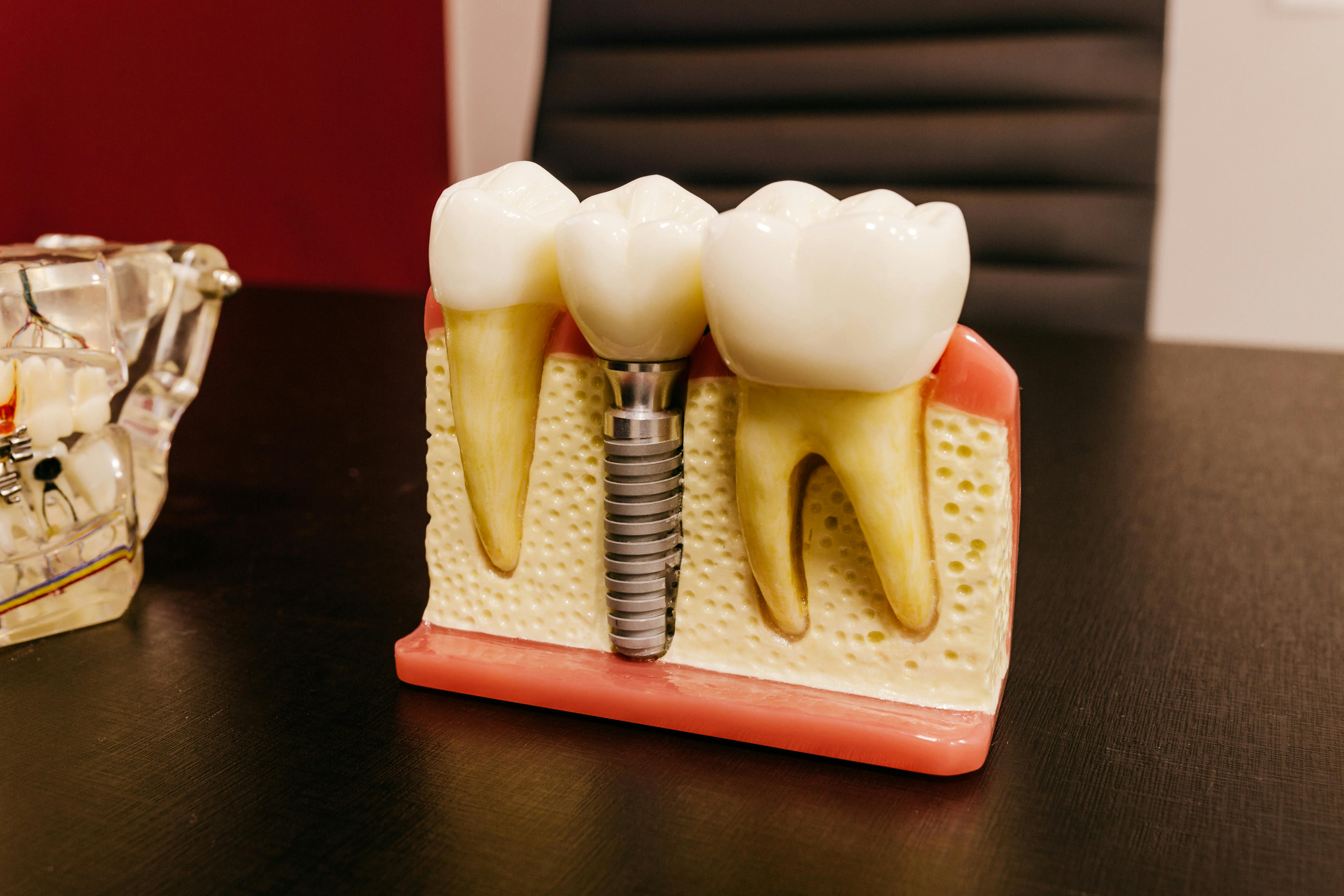
Benefits of Braces
Braces consist of metal brackets and wires attached to the front of the teeth, which gently apply pressure to move the teeth into the desired position. The benefits of braces go beyond just a straight smile, as they can help improve your overall oral health too.
Other benefits include:
● Straightened teeth
● Improved bite
● Preventing oral health problems
● Boosted confidence
● Durable and long-lasting
We pride ourselves on providing the best possible care for our patients, using the latest technology to ensure that your braces are as comfortable and effective as possible. In addition, our orthodontists are experienced professionals dedicated to creating customised treatment plants tailored to your individual needs.
Procedure for Getting Braces
Receiving braces is relatively simple and straightforward. First, we will have an initial consultation to examine your teeth and take X-rays, discussing possible treatment options with you. Then, based on the diagnosis, we create a custom treatment plan tailored to your needs.
Placing the braces requires a fair amount of time and skill, but our expert orthodontists have decades of experience and practice. Once your braces are fitted, we will schedule regular adjustments every four to six weeks until the desired results are achieved.
Depending on your needs, you may have braces for a few months or years, but the results will be well worth the wait. When the braces are removed, you will receive a retainer to help your teeth maintain their new position.
Don't wait to achieve the smile of your dreams. Contact us today to schedule a consultation.
(1) Removable Artificial Teeth - Dentures
At Dental Aesthetics Center, we understand the
importance of having a confident and attractive smile.
That's why we offer a wide range of denture services to
meet the needs of our patients.
Our custom-made dentures are tailored to fit each
patient's unique mouth shape and size. We use high-quality
materials to ensure our dentures are comfortable,
functional and natural-looking. Immediate and Partial
Dentures
If you need to have your teeth removed but don't want to
go without teeth during the healing period, we offer
immediate dentures. These are made in advance and can be
placed immediately after the extraction of your natural
teeth, allowing you to leave our office with a complete
set of teeth.
Partial dentures are an excellent option for patients who
have lost some, but not all, of their natural teeth. Our
partial dentures are designed to fit seamlessly with your
remaining teeth, making them comfortable and aesthetically
pleasing.
Process for Receiving Dentures
During your consultation for dentures, one of our
experienced dentists will examine your mouth, take X-rays
and discuss your options. They will also take impressions
and measurements of your mouth to create a custom fit for
your dentures.
We will provide a few denture options for you to try and
assess to see what best meets your needs and preferences.
Our dentures are designed from high-quality dental
materials and will be ready at your follow-up appointment,
where we assess the fit.
Your dentures should feel comfortable and easy to eat,
speak and chew with. However, it will take some getting
used to.
Caring for Dentures
Proper cleaning and maintenance of your dentures are
essential for their longevity and function. However, even
with the best care, dentures may need repairs or
adjustments. We offer repair and adjustment services for
all types of dentures, including realigning, rebasing and
repairs.
Don't let missing teeth prevent you from enjoying life to
the fullest. Contact us today to schedule your
consultation and learn more about our denture services.
(2) Fixed/Permanent Artificial Teeth - Bridges, Implants &
Crowns
I) Bridges
If you have missing teeth, you may be considering what
options are available for replacing them. One popular
solution is a dental bridge, a prosthetic device that can
fill the gap left by missing teeth.
Dental bridges are typically made of porcelain or ceramic
and anchored in place by dental crowns or metal wings on
either side of the gap.
Types of Bridges
Several types of dental bridges are available, each with
its own set of uses.
● Traditional bridges are the most commonly used bridge
and are held in place by dental crowns on either side of
the gap.
● Cantilever bridges are anchored by a dental crown on one
side of the gap and are usually used at the back of the
mouth when only one natural tooth is available.
● Maryland bridges are supported by metal wings bonded to
the back of the natural teeth on either side of the gap.
● Implant-support bridges are anchored in place by dental
implants fitted with dental crowns.
Benefits of Bridges
There are several reasons why a dental bridge may be the
best option for replacing missing teeth, such as:
● Restoring the natural look of your smile and improving
your overall facial appearance
● Restoring your ability to speak and chew properly
● Preserving the natural teeth on either side of the gap
by preventing them from shifting or becoming misaligned
● Lasting for many years with proper care and
maintenance
Procedure for Getting a Bridge
The process for receiving a dental bridge usually takes
several appointments. The first step is a consultation to
determine if a bridge is the right fit for you. Next, we
examine your teeth and gums, take X-rays and make
impressions of your teeth.
Before the bridge can be placed, the natural teeth on
either side of the gap must be prepared to receive the
dental crowns or metal wings anchoring the bridge. This
involves shaping the natural teeth to receive the
crowns.
Impressions of your teeth are used to create a custom
bridge that will match your natural tooth shape and
colour. In your follow-up appointment, we will place the
bridge and assess the fit and function before cementing
the dental crowns and bridge.
Caring for Bridges
In order to maintain the longevity of your dental bridge,
you must maintain good oral health with regular brushing
and flossing, as well as visit us for cleanings and
check-ups.
II) Dental Implants
Dental implants are a modern and effective treatment for
replacing missing or damaged teeth. Unlike traditional
dentures or bridges, dental implants are anchored directly
into the jawbone, providing a stable and long-lasting base
for replacement teeth.
If you are looking for an aesthetic and functional answer
to gaps or missing teeth, then dental implants are the
long-term solution you need.
Dental Implant Uses
Our dental implants are made of biocompatible materials
like titanium to help the implant integrate with the jaw
seamlessly. This process provides a strong and secure
foundation for a dental crown or bridge, allowing you to
eat, speak, and smile confidently.
The most common reason patients receive dental implants is
to replace a missing tooth, but there are several reasons
why you may opt for implant placement. For example, you
may be unable to wear dentures or require a long-lasting
replacement for gaps in your smile.
Whatever the reason, it's essential to have healthy oral
tissue and a fully developed jawbone to receive dental
implants. Our expert dentists will work with you to
establish if you are a candidate for dental implants.
Benefits of Dental Implants
There are many benefits to choosing dental implants over
more traditional tooth replacement options, such as:
● Appearance: Dental implants look and feel like natural
teeth, allowing you to live out your full potential with
confidence.
● Speech: Traditional dentures can slip and slide in the
mouth, causing mumbling or slurred speech. In contrast,
dental implants are anchored so you can speak and eat
easily.
● Comfort: Dental implants are custom-made to fit your
mouth, creating a comfortable and secure experience.
● Oral health: Unlike traditional bridges, dental implants
don't require the reduction of healthy teeth. In fact,
they improve your oral health significantly.
● Durability: With proper care, dental implants can last a
lifetime.
Dental Implant Placement Procedure
The dental implant placement procedure is typically
performed in stages, with the initial surgery to place the
implant followed by several months of healing. We will
first examine your mouth and take X-rays to determine if
dental implants are the right choice for you.
Our expert dentist performs dental implant surgery while
you are under local anaesthesia to minimise discomfort or
dental anxiety. It is a relatively quick procedure, but
you will need several months of recovery while the implant
fuses to the jawbone.
During the healing period, the implant anchors to the
jawbone so the bone can grow around it, creating a secure
foundation for the crown or bridge. After the healing
period, we attach a dental crown or bridge to the dental
implant that looks and functions like a natural tooth.
Depending on your specific needs, this process can be
completed in a single visit.
If you would like to know more about how dental implants
can significantly improve your confidence, oral health and
quality of life, contact us to arrange a consultation with
one of our experienced dentists.
III) Crowns
Dental crowns, also known as caps, are a standard dental
prosthetic used to cover and protect a damaged or decayed
tooth. They are usually made of porcelain, ceramic or
metal and are custom-made to fit over the existing tooth.
Uses of Crowns
Crowns are popular dental prosthetics that improve the
appearance and function of a natural tooth. Other uses for
dental crowns include:
● Protecting a weak or damaged tooth
● Restoring a tooth that received root canal therapy
● Covering a discoloured or misshapen tooth
● Supporting a dental bridge
● Improving the appearance of a tooth
Procedure for Getting a Crown
Getting a dental crown usually involves two appointments
with our experienced dentists. In your initial
consultation, we will assess the impacted tooth or teeth
and take X-rays to determine if a crown is the best option
for your needs.
The first step to receiving a crown involves preparing the
tooth by removing bacteria and shaping it to fit the
crown. We then take impressions of the tooth to create
your custom-made crown, which will be ready in 2-3 weeks.
While you wait, we will fit your tooth with a temporary
crown to protect it.
At your following appointment, we place the permanent
crown onto the tooth and make adjustments to ensure your
bite feels comfortable. The last step is permanently
cementing the crown onto the tooth and cleaning the
area.
Caring for Crowns
Dental crowns can last for many years with proper care and
maintenance. This includes regular dental check-ups and
cleanings and avoiding biting or chewing on hard
objects.
In case of any problem or adjustment needed, our team will
be happy to take a look and advise accordingly.
The Root Canal Procedure
The root canal procedure typically begins with an X-ray to determine the extent of the damage. Once the dentist has assessed the situation, they will administer local anesthesia to numb the area, ensuring that the patient is comfortable throughout the procedure.
Next, the dentist will create an opening in the crown of the tooth to access the pulp chamber. Using specialized instruments, the infected or dead pulp is carefully removed. The dentist then cleans and shapes the root canals, which are the small, narrow pathways that extend from the pulp chamber to the ends of the tooth roots. After cleaning, the canals are disinfected to eliminate any remaining bacteria and debris.
Once the canals are thoroughly cleaned and shaped, they are filled with a biocompatible material, usually gutta-percha, which is a rubber-like substance. This material seals the canals, preventing bacteria from re-entering and causing future infections. Finally, the dentist seals the tooth with a temporary or permanent filling. In most cases, a crown is placed over the tooth in a subsequent visit to restore its strength, function, and appearance.
Benefits of a Root Canal Treatment
Root canals offer several important benefits:
1. Pain Relief: The primary benefit of a root canal is the relief from the severe pain and discomfort caused by an infected or abscessed tooth. By removing the infected pulp, the source of the pain is eliminated.
2. Tooth Preservation: A root canal allows you to keep your natural tooth, which is always preferable to extraction. Preserving the tooth helps maintain proper alignment of your teeth and jaw, supports normal chewing, and prevents the need for more complex dental procedures, such as implants or bridges.
3. Prevention of Further Infection: By thoroughly cleaning and sealing the tooth, a root canal prevents the spread of infection to surrounding teeth and the jawbone. This helps protect your overall oral health and reduces the risk of complications that could arise from untreated dental infections.
4. Restored Function: After a root canal and the placement of a crown, the tooth is fully functional and can withstand the normal forces of chewing and biting. This allows you to eat comfortably and enjoy a varied diet without worrying about damaging the treated tooth.
5. Aesthetic Benefits: Modern root canal procedures and restorations are designed to be both functional and aesthetically pleasing. With a well-fitted crown, your tooth will look natural, blending seamlessly with your surrounding teeth.
In summary, a root canal is a highly effective procedure that can save a damaged or infected tooth, relieve pain, and restore your smile. With advancements in dental technology, root canals are now more comfortable and efficient than ever, making them a reliable option for preserving your natural teeth and maintaining your oral health.
Gum disease, also known as periodontal disease, is a common oral health issue that affects the gums and supporting structures of the teeth. It begins with the accumulation of plaque—a sticky film of bacteria—on the teeth. If not removed through regular brushing and flossing, plaque hardens into tartar, which can only be removed by a dental professional. The presence of plaque and tartar irritates the gums, leading to inflammation, swelling, and bleeding, which are early signs of gum disease known as gingivitis.
If gingivitis is left untreated, it can progress to periodontitis, a more severe form of gum disease. In periodontitis, the inner layer of the gum and bone pull away from the teeth, forming pockets that can become infected. As the disease advances, the gums recede further, the bone supporting the teeth is destroyed, and teeth may become loose or even fall out. Gum disease is a leading cause of tooth loss in adults and can also contribute to other health problems, including heart disease, stroke, and diabetes.
Treatment for Gum Disease
Treating gum disease typically involves a series of professional dental procedures aimed at removing plaque and tartar, reducing inflammation, and preventing further damage to the gums and bone. The most common treatment is scaling and root planing, a deep-cleaning procedure that involves scraping away plaque and tartar from above and below the gum line and smoothing the tooth roots to help the gums reattach to the teeth. This procedure is usually performed under local anesthesia to ensure comfort.
In more advanced cases, surgical interventions may be necessary. These can include flap surgery, where the gums are lifted back to remove tartar from deep pockets, and then sutured back into place; bone grafts to regenerate lost bone; and soft tissue grafts to cover exposed roots and improve the appearance of receding gums.
Benefits of Treating Gum Disease
The benefits of treating gum disease are significant, both for your oral health and your overall well-being. Early treatment can stop the progression of the disease, preventing tooth loss and the need for more invasive procedures. By addressing gum disease, you can reduce gum inflammation, eliminate bad breath, and improve the overall appearance of your smile.
Beyond oral health, treating gum disease can have a positive impact on your general health. Research has shown a link between gum disease and systemic conditions such as heart disease, diabetes, and respiratory issues. By managing gum disease, you may reduce your risk of these serious health problems.
In summary, gum disease is a serious condition that requires prompt attention. With professional treatment, you can restore your gum health, protect your teeth, and enjoy the benefits of a healthier mouth and body. Don't let gum disease compromise your smile, take action book your appointment today for a healthier tomorrow.
Aesthetic Dental Services
We assist in enhancing your smile with our advanced teeth whitening procedures and custom dental veneers, designed to give you a radiant, natural-looking smile that boosts your confidence.
Book Appointment Now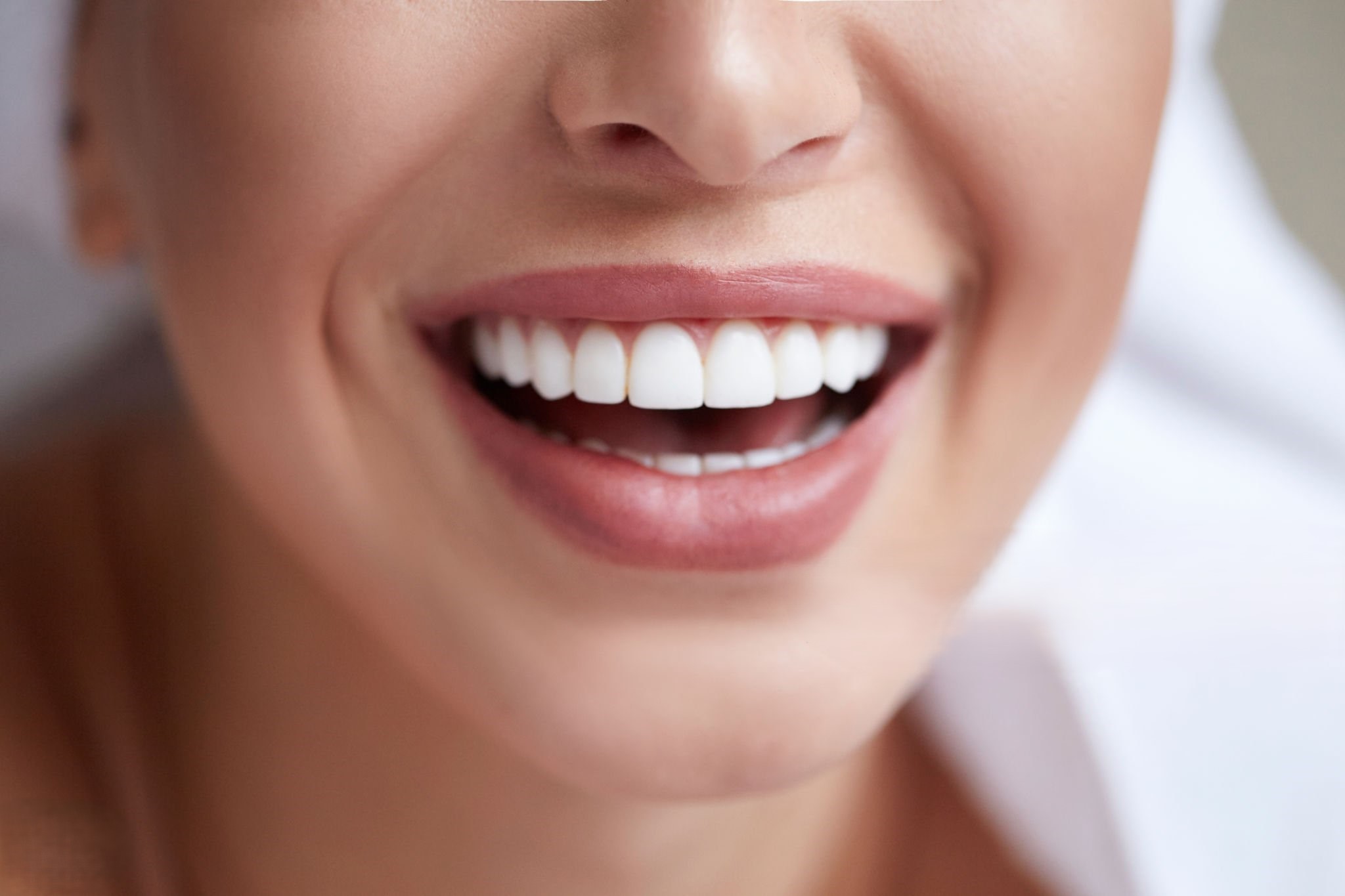
With professional teeth whitening, you can achieve your dream smile in as little as one session. This safe and effective procedure is a quick and painless way to lighten your smile and boost your self-esteem.
Candidates for Teeth Whitening
Although teeth whitening is an effective way to achieve a white and bright smile, not everyone is a candidate. Therefore, we advise patients to set up a consultation beforehand to assess if they are a candidate for teeth whitening.
To receive professional teeth whitening, you must have the following qualities:
● Good oral health
● Realistic expectations
● Discolouration caused by extrinsic factors
● Not being pregnant or nursing
● No dental prosthetics
In-Chair Procedure for Teeth Whitening
Our professional teeth whitening procedure starts with a consultation about your oral health and goals. We need to assess if you are a candidate for teeth whitening, as not all stains can be eliminated.
We may also recommend a cleaning prior to your teeth whitening session, as this will remove any plaque or tartar buildup on the teeth. It's best to schedule a dental cleaning a week before your teeth whitening session, as this will also improve the outcome of your results.
During the teeth whitening process, we apply a whitening agent to the teeth and use a special light to activate it. This works by breaking down the oxygen particles in the enamel and lifting the colour of the teeth.
Achieving Your Ideal Results
The length of the treatment will depend on the degree of staining and the desired level of whitening. In-office whitening treatments can often be completed in one visit, while at-home treatments may require multiple visits or take longer to achieve the desired results.
Benefits of Professional Teeth Whitening
Professional in-chair teeth whitening has many benefits for those seeking a brighter smile with safe and effective results, including:
● Quick results: Our treatments are typically completed in one visit, with results being immediate and improving over time.
● Safety: As trained professionals, we know how to properly apply the whitening gel and use the special light, minimising the risk of error and side effects.
● Custom treatment: We work with each individual to determine the best course of treatment, taking into account the desired level of whitening and staining factors.
● Long-lasting: With proper care and maintenance, professional teeth whitening results can last several months to a year or more.
For a brighter more radient smile, book your appointment today.
Benefits of Veneers
Dental veneers offer a variety of benefits, including:
● Improving the appearance of stained or discoloured teeth
● Straightening crooked teeth
● Fixing chipped or broken teeth
● Closing gaps between teeth
● Lengthening short teeth
Procedure for Getting Veneers
The process of receiving dental veneers involves several steps and processes to help you achieve your ultimate smile. We start with an initial consultation where one of our esteemed dentists will examine your teeth and discuss your cosmetic goals.
The next step is preparing your teeth for the veneers. We clean your teeth and gently remove a small amount of enamel to ensure the veneers fit well and look natural. Then, we take several X-rays and impressions. We will also discuss the shape, colour and length of your veneers and show you several options before creating your custom shells.
Your follow-up appointment is when we fit the veneers and bond them to the surface of your teeth using a special dental adhesive. The adhesive is hardened using a special light to ensure they are securely in place.
After all your veneers have been applied, we polish them to ensure they look natural and bright. The entire procedure is typically quick and painless. You may experience some slight sensitivity in your teeth for a few days, but this should subside within a few days.
Caring for Veneers
It's essential to take good care of your veneers, so they last as long as possible. This includes brushing and flossing your teeth regularly, avoiding foods and drinks that can stain your veneers, and visiting us for regular check-ups and cleanings.
If you want to improve the appearance of your teeth with dental veneers, get in touch, and we will arrange a consultation with one of our experienced dentists.